

In today’s digital age, staying connected is more important than ever. However, with the convenience of public WiFi networks comes a significant risk: hackers lurking in the shadows, ready to exploit any vulnerability. When you connect to an open network, your personal information, including passwords and financial data, can easily become a target. This reality raises an important question for internet users everywhere: does a VPN protect against hackers?
A Virtual Private Network, or VPN, offers an additional layer of security that can help keep your online activities and personal data safe from prying eyes. By encrypting your internet connection, a VPN creates a secure tunnel for your data, making it significantly harder for hackers to intercept your information. Understanding how a VPN works and the protections it offers is crucial for anyone looking to navigate the internet safely, especially on public networks.
Understanding Public WiFi Risks
Public WiFi networks are convenient and widely available, allowing users to connect to the internet on the go. However, these networks often lack the security measures found in private connections, making them prime targets for hackers. When you join a public WiFi hotspot, your data can be vulnerable to interception, putting your personal information at risk. This includes passwords, financial details, and any sensitive information that may be transmitted over the network.
Hackers employ various techniques to exploit the weaknesses of public WiFi. One common method is known as "packet sniffing," where attackers capture data packets traveling over the network to gain unauthorized access to your information. Additionally, rogue hotspots can trick users into connecting, enabling malicious actors to monitor and manipulate the data that flows through the network. These tactics highlight the dangers of using public WiFi without adequate protection.
Given the risks associated with public WiFi, it is crucial for users to be diligent about their online security. Utilizing a VPN can significantly reduce the likelihood of falling victim to these threats. By encrypting your internet traffic, a VPN creates a secure tunnel for your data, making it much harder for hackers to intercept and exploit your information. Understanding the potential dangers of public WiFi is the first step towards safeguarding your online presence.
How Hackers Exploit Public Networks
Public WiFi networks, such as those found in cafés, airports, and libraries, are often unsecured and present a prime target for hackers. These networks typically lack proper encryption, allowing malicious actors to easily intercept data transmitted over the connection. This means that any information sent or received, including emails, passwords, and credit card details, can be captured without much effort. Additionally, the open nature of public networks makes it simple for hackers to set up fake hotspots that mimic legitimate ones, tricking users into connecting to them.
Once connected to a rogue hotspot or an unprotected network, hackers can deploy a variety of tools and techniques to harvest personal information. They may use packet sniffers to capture data packets that are being transmitted over the network, or they might employ man-in-the-middle attacks, where they secretly relay and possibly alter communications between two parties. These tactics are particularly dangerous because users often believe they are communicating securely when, in fact, they are exposing sensitive information to cybercriminals.
Moreover, the anonymity afforded by public networks encourages hackers to engage in this malicious behavior without fear of immediate detection. With multiple devices connecting to the same network, distinguishing legitimate users from attackers becomes increasingly difficult. This chaotic environment provides hackers with the perfect cover to execute their schemes, making it essential for individuals to take proactive measures, such as using a VPN, to safeguard their personal information and maintain their online security when accessing public WiFi.
What is a VPN?
A Virtual Private Network, commonly known as a VPN, is a technology that creates a secure and encrypted connection over a less secure network, such as the internet. It allows users to send and receive data as if their devices were directly connected to a private network. By using a VPN, your online activities become more private and secure, as your internet traffic is routed through a remote server operated by the VPN service.
When you connect to a VPN, your device communicates with the VPN server rather than directly with the websites you visit. This process masks your IP address and encrypts your internet traffic, making it much more difficult for hackers to intercept your data. This added layer of security is especially important when using public WiFi networks, where there is a higher risk of cyberattacks.
In addition to providing security, VPNs also offer the benefit of anonymity. By hiding your IP address, a VPN enables you to browse the web without revealing your location or identity. This dual purpose of security and privacy makes VPNs an essential tool for anyone looking to protect their personal information while navigating the online world.
How VPNs Enhance Security
A Virtual Private Network, commonly known as a VPN, significantly enhances security by encrypting your internet connection. This encryption creates a secure tunnel for your data, making it almost impossible for hackers to intercept or read any information you transmit online. With a VPN, even if you are connected to an unsecured public WiFi network, your sensitive data such as passwords, banking information, and personal details remain protected from prying eyes.
Additionally, VPNs mask your IP address, which is a unique identifier for your device on the internet. By hiding your true IP address, a VPN makes it much more challenging for cybercriminals to target you directly. This added layer of anonymity protects you from various attacks, including tracking, surveillance, and location-based threats, which are particularly prevalent on public networks.
Moreover, the use of a reputable VPN can help safeguard you from potential malware attacks. Many VPNs offer features such as malware protection, ad-blocking, and phishing detection, further securing your browsing experience. These tools significantly decrease the chances of encountering malicious websites or downloading harmful software, which adds yet another level of defense against hackers looking to exploit vulnerabilities in your connection.
Benefits of Using a VPN on Public WiFi
Using a VPN on public WiFi significantly enhances your online security by encrypting your internet connection. When you connect to a public network, such as those found in cafes, airports, or libraries, your data is vulnerable to interception by malicious actors. A VPN creates a secure tunnel for your data, making it much harder for hackers to access your personal information. This encryption means that even if a hacker manages to intercept your connection, they will find it nearly impossible to decipher the data being transmitted.
Another major benefit of VPNs on public WiFi is the added layer of anonymity they provide. By masking your IP address, a VPN helps to prevent hackers from tracking your online activities or identifying your location. This anonymity makes it more challenging for anyone on the same network to execute attacks specific to your device or steal your identity. With a VPN, you can browse, shop, and conduct transactions without the constant worry of being targeted by hackers.
Additionally, using a VPN can help you bypass content restrictions often imposed on public networks. does VPN protect against hackers providers limit access to certain websites or streaming services, which can be frustrating. A VPN allows you to connect to servers in different locations, enabling you to access a wider range of online content securely. This means you can enjoy your favorite shows or work efficiently without compromising your security on the network.
Limitations of VPNs
While VPNs provide an extra layer of security for your online activities, they are not a one-stop solution for all cybersecurity issues. VPNs encrypt your internet traffic, making it more difficult for hackers to intercept your data. However, they do not protect against all forms of cyberattacks. For instance, if you inadvertently click on a malicious link or download malware, a VPN will not prevent these threats. Therefore, it is essential to adopt additional security measures, such as antivirus software and cautious browsing habits.
Another limitation is that not all VPN services offer the same level of security. Some free or unreliable VPNs may actually log your data and expose it to third parties, undermining the purpose of using a VPN in the first place. It is crucial to choose a reputable VPN provider that prioritizes user privacy and operates with a strict no-log policy. Even then, users should be aware that while their data is encrypted, their online activities can still be subject to potential breaches at the VPN server level.
Lastly, a VPN does not protect against basic hacking techniques that don't involve data interception. For example, if a hacker gains physical access to your device or exploits software vulnerabilities, they can access your information regardless of whether you are using a VPN. Thus, it is vital to combine VPN usage with good cybersecurity practices, including keeping your software updated, using strong passwords, and being vigilant about your online behavior.
Alternative Security Measures
While using a VPN is an effective way to enhance your online security, it should not be the only line of defense. Incorporating additional security measures can provide a more robust approach to protecting your personal information. Firewalls play a critical role by acting as a barrier between your device and potential threats from the internet. Make sure your firewall is enabled and properly configured to block unauthorized access to your network.
Another essential measure is keeping your software and operating systems up to date. Regular updates often include security patches that protect against newly discovered vulnerabilities. Cybercriminals frequently exploit outdated software, so maintaining the latest versions can significantly enhance your protection against hacking attempts. Additionally, consider utilizing antivirus software to detect and eliminate malware that may compromise your security.

Strong, unique passwords are also crucial to safeguarding your online accounts. Use complex combinations of letters, numbers, and symbols, and avoid reusing passwords across different services. Implementing two-factor authentication adds an extra layer of security, making it much harder for hackers to gain access to your accounts even if they obtain your password. By combining these measures with a reputable VPN, you can significantly reduce your risk of falling victim to hacking attempts.
Choosing the Right VPN
Selecting the right VPN is crucial for ensuring your online security and privacy. Not all VPNs are created equal, and it's important to prioritize features that specifically protect against hacking and data breaches. Look for a VPN that offers strong encryption standards, a no-logs policy, and a reputable track record in the industry. This will help you avoid VPNs that could potentially be a front for malicious activities or that compromise your data.
Another important factor to consider is the VPN's speed and performance. A slow or unreliable VPN can hinder your internet experience, making it frustrating to browse, stream, or work. Check for user reviews and independent assessments to gauge performance levels, especially regarding connection speeds while using public WiFi. The ability to connect to multiple servers in various locations can also enhance your security and provide better access to region-restricted content.
Lastly, evaluate the customer support options available with the VPN service. A reliable VPN should offer responsive customer support that can assist you with any issues or concerns you may face. This is especially important when you are seeking to protect your personal information from potential threats. Choosing a VPN with a robust support system can provide peace of mind and assistance tailored to your needs.
Myths About VPNs and Security
Many people believe that using a VPN guarantees complete security against all forms of cyber threats. While a VPN enhances privacy by encrypting your internet connection and masking your IP address, it does not make you invulnerable to hackers. Users can still fall victim to phishing attacks, malware, or other tactics if they are not cautious about their online activities. Thus, a VPN is a valuable tool, but it should not be seen as a one-stop solution to all security issues.
Another common misconception is that all VPNs provide the same level of security. In reality, the quality of VPN services can vary significantly. Some VPNs may lack strong encryption protocols or have inadequate privacy policies, leaving users exposed to risks. It is crucial to choose a reputable VPN provider that is transparent about its security features and has a proven track record in protecting user data. Relying on free or low-quality VPNs can create more vulnerabilities than it eliminates.
Lastly, users often assume that their data is completely safe when connected to a VPN. Although a VPN encrypts your data, it does not protect against vulnerabilities on your device or insecure websites. If a user connects to an infected public WiFi network or engages in unsafe browsing habits, hackers may still exploit these weaknesses. Therefore, while a VPN significantly boosts security, it should be part of a broader strategy that includes good cybersecurity practices like using updated software, strong passwords, and being mindful of the information shared online.
Conclusion: Staying Safe on Public WiFi
In today's digital age, staying connected through public WiFi is often necessary, but it comes with significant risks. Unsecured networks can be a playground for hackers, making it crucial to take steps to protect your personal information. Utilizing a reliable VPN provides an essential layer of security, encrypting your data and shielding your online activities from prying eyes.
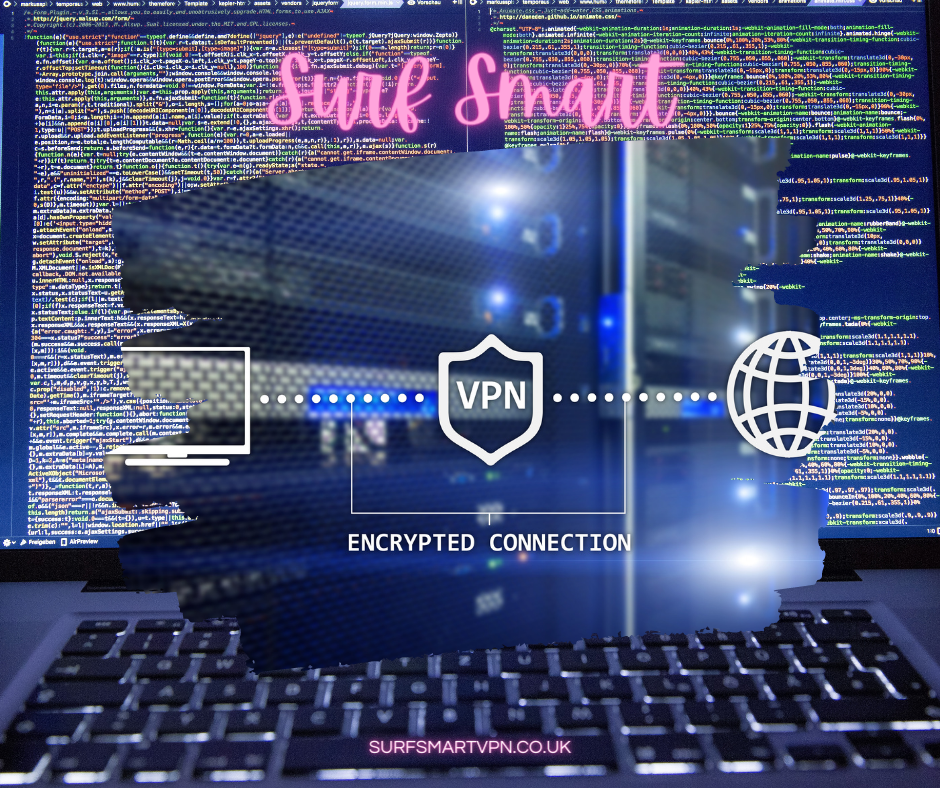
While no solution is foolproof, a VPN significantly reduces the chances of your data being intercepted by cybercriminals. It acts as a barrier between you and potential threats by masking your IP address and encrypting your internet traffic. This means that even if someone tries to eavesdrop on a public WiFi connection, the encrypted data remains unreadable and secure.
Ultimately, as you navigate the waters of public WiFi, incorporating a VPN into your online routine is a smart move. It enhances your security and privacy, allowing you to browse with greater confidence. By prioritizing your online safety with a VPN, you’re taking proactive steps to safeguard your personal information against the dangers lurking in public WiFi environments.